
The Art of Goshuin
What is Goshuin?
Goshuin (御朱印) — literally “honorable red seal” — are sacred stamps collected at Shinto shrines and Buddhist temples throughout Japan. Each one is a small work of art: vermilion ink stamps pressed onto paper, adorned with elegant black calligraphy brushed by hand.
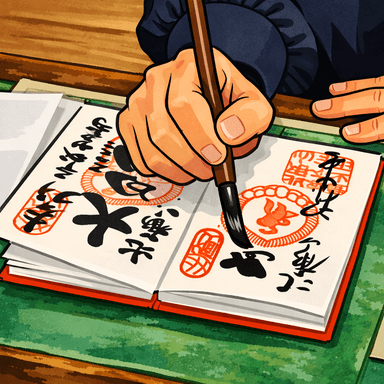
No two goshuin are exactly alike. Each shrine and temple has its own unique design, and because the calligraphy is written fresh for each visitor, your goshuin captures a singular moment — the date of your visit, the name of the site, sometimes the deity enshrined there.
More Than a Souvenir
While goshuin have become popular with collectors and travelers, they carry deeper meaning. Traditionally, receiving a goshuin is a sign of having paid proper respects — a tangible record of your prayer and a connection to the sacred site.
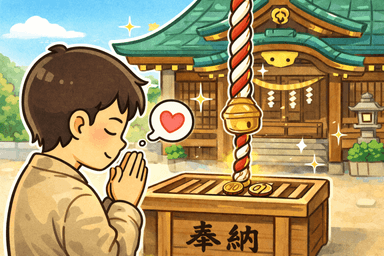
Many consider a goshuin similar to an omamori (protective charm), to be kept with reverence. The practice originated centuries ago when pilgrims who hand-copied Buddhist sutras would receive stamped receipts. Over time, it evolved into what we know today: a beautiful memento of spiritual encounter.
The Goshuinchō
Goshuin are collected in a special accordion-fold book called a goshuinchō (御朱印帳). These books come in countless designs — from simple and elegant to beautifully illustrated — and many shrines and temples sell their own unique versions.
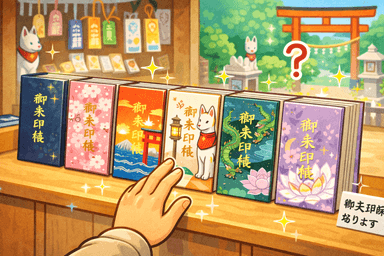
Your goshuinchō becomes a personal diary of sacred places visited. Some collectors keep separate books for shrines and temples; others mix them freely. There's no wrong way to build your collection — it's your journey.
The Experience
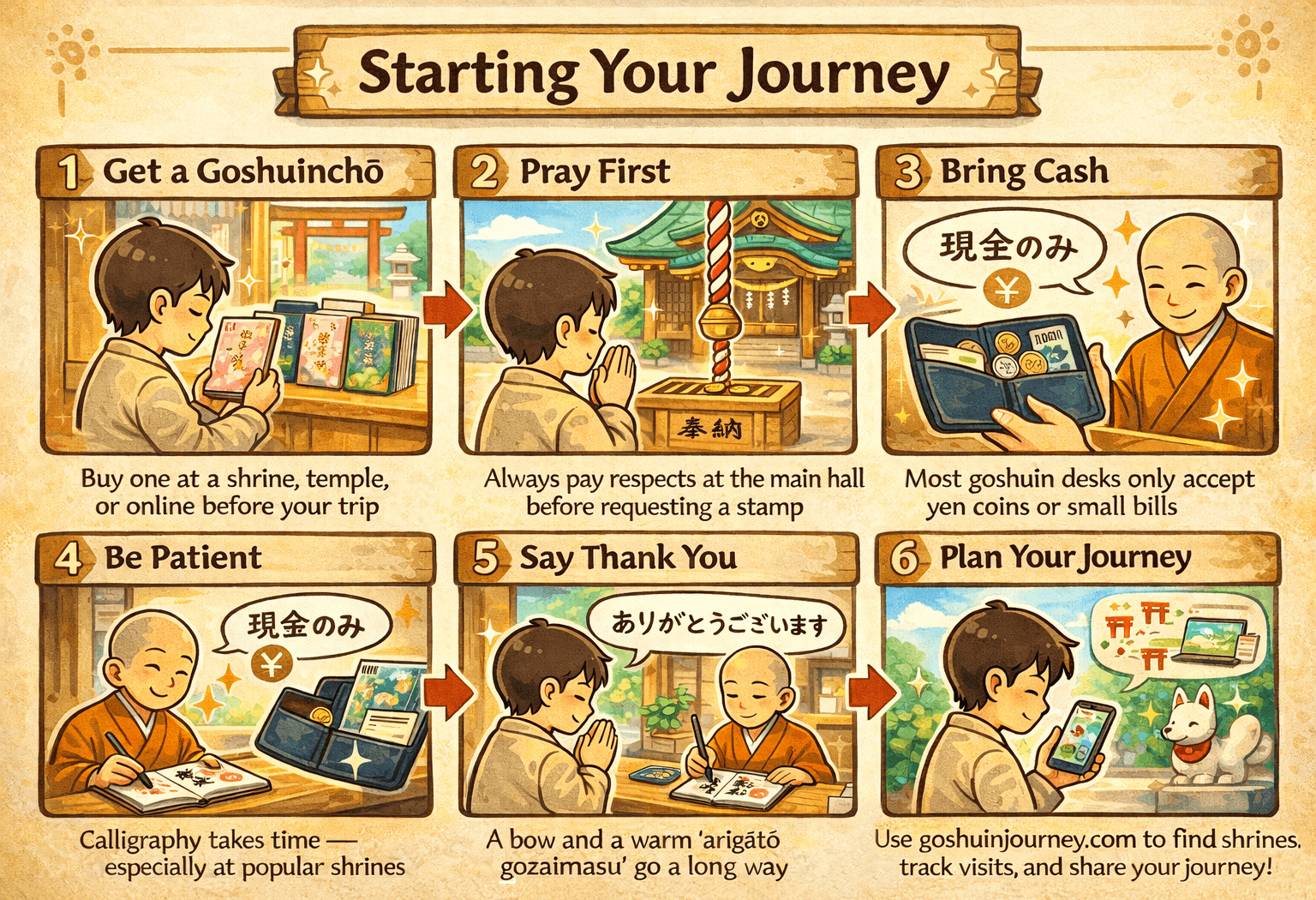
Receiving a goshuin is a ritual in itself. After praying at the main hall, you bring your open goshuinchō to the reception window (look for signs reading 朱印所, shuinjo). A small offering of ¥300–500 is customary.
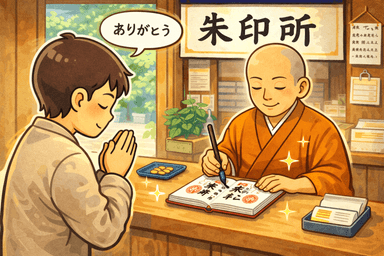
Watch as the attendant carefully presses the vermilion seals and brushes the calligraphy onto your page. Receive it with a bow and a heartfelt "arigatō gozaimasu." During busy times, you may be asked to return later, or given a pre-written slip to paste in your book.
Dive Deeper
This guide covers essentials so you can start respectfully. The Goshuin is just one aspect of a rich Shinto and Buddhist practice we encourage everyone to learn more about. For deeper history, ritual nuance, and local variations, explore these specialist sources: